In the competitive landscape of retail and distribution, two important metrics define the health and flow of a product in the market—sell in vs sell out. These terms are often misunderstood or used interchangeably, but in reality, they serve very different purposes. If you are a manufacturer, distributor, or retailer, understanding the distinction between sell in and sell out can help you optimize your inventory, increase sales efficiency, and create stronger alignment between supply and demand.
What Does Sell-In Mean?
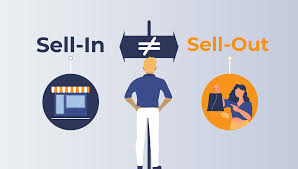
Sell-in refers to the quantity of product a manufacturer sells to a distributor, wholesaler, or retailer. It essentially represents the stock that enters the retail supply chain. When a brand ships 5,000 units of a new product to a retail chain, this transaction is recorded as a sell-in. This is the manufacturer’s sale to the retail partner, and it marks the first leg of the journey toward the end consumer. Sell-in is important because it indicates how much product the brand has pushed into the market. It helps businesses track their wholesale revenue, plan production cycles, and set targets for channel partners.
What Does Sell-Out Mean?
Sell-out refers to the quantity of product sold from the retailer to the final consumer. This metric shows how much product has actually left the shelves and reached the hands of customers. For example, if out of 5,000 units delivered to stores, 3,800 are bought by consumers, that figure represents the sell-out. The sell-out number is crucial for gauging actual consumer demand. It helps retailers and brands understand product performance, fine-tune marketing campaigns, and plan future inventory orders based on real-time sales data.
Why Sell In vs Sell Out Matters
The distinction between sell in vs sell out matters because relying on only one of these metrics gives you an incomplete view of your business performance. If your sell-in figures are high but your sell-out numbers are low, it may indicate overstocking, weak consumer demand, or ineffective promotions. On the other hand, high sell-out with low sell-in might mean you're missing out on sales opportunities due to understocking. Incorporating both metrics into your retail strategy allows for better forecasting, more accurate budgeting, and tighter control over the supply chain.
Inventory and Demand Planning
When you analyze sell in vs sell out together, you can identify supply-demand gaps. Let’s say you’ve pushed 10,000 units to a distributor, but only 4,000 have sold through retail channels after a month. This could be a red flag indicating issues such as poor shelf placement, pricing concerns, or lack of consumer awareness. By tracking both metrics regularly, businesses can adjust their strategies before stock becomes obsolete or leads to markdowns and losses.
Sales Incentives and Performance Metrics
Many manufacturers incentivize retailers and distributors based on sell-in volumes. While this may boost short-term orders, it doesn’t always reflect product success at the consumer level. Shifting some of those performance metrics toward sell-out data ensures that your partners are driving actual consumer engagement, not just stocking shelves. With a balanced approach, you can set smarter targets, reward true performance, and avoid the pitfall of excessive unsold inventory.
Improving Channel Relationships
Understanding sell in vs sell out also strengthens relationships with channel partners. When both the brand and the retailer have access to sell-out data, they can work collaboratively to plan promotions, manage stock levels, and enhance customer experience. It becomes a shared goal to improve end-user satisfaction, rather than simply moving units. Retailers are more likely to reorder and prioritize products that demonstrate strong sell-out performance. Brands that support sell-out initiatives—through advertising, in-store displays, and discounts—build better, longer-term partnerships.
Real-World Example of Sell In vs Sell Out
Imagine a new snack brand launching in supermarkets across the country. The brand ships 100,000 units to retailers—this is the sell-in. Initial reports look great. But after four weeks, only 30,000 units are sold to customers. This is the sell-out.Without close monitoring of both numbers, the brand may assume success based on sell-in alone. But the reality tells a different story—shelves are full, customers aren’t buying, and returns may soon follow. Recognizing this imbalance early allows the brand to investigate issues and take corrective action.
Tools to Track Sell In vs Sell Out
To fully leverage the power of sell in vs sell out insights, businesses use software tools and platforms such as:
- Enterprise Resource Planning (ERP) systems
- Point of Sale (POS) analytics
- Inventory management tools
- Retail intelligence dashboards
These platforms help visualize the sales journey from warehouse to shopping cart, allowing for faster decisions and proactive planning.
The Future of Retail Analytics
As retail becomes more digital and data-driven, tracking sell in vs sell out is no longer a manual or optional task. Smart systems now integrate inventory, sales, and marketing data to present real-time dashboards that show what's happening on both the supply and demand sides. Retailers and brands that embrace these insights can reduce stockouts, optimize pricing strategies, and deliver a more seamless customer experience.
Conclusion
To build a successful retail strategy, businesses must go beyond surface-level sales data. Understanding sell in vs sell out is a crucial step in achieving that. Sell-in tracks what enters the distribution chain, while sell-out reflects what truly matters—consumer purchases. When both metrics are tracked and analyzed together, businesses can unlock higher efficiency, smarter planning, and stronger performance across the board.Ignoring one or the other can result in misaligned goals, missed revenue opportunities, and weakened partnerships. But when used correctly, these metrics create a clear roadmap to long-term retail success.
FAQs: Sell In vs Sell Out
1. What is the meaning of sell in vs sell out?
Sell-in is the sale from manufacturer to retailer; sell-out is the sale from retailer to customer.
2. Why is sell-in important for brands?
It shows how much inventory has entered the retail system and helps with production planning.
3. Why is sell-out critical for retailers?
It reflects actual customer demand and drives restocking decisions.
4. Can you have high sell-in and low sell-out?
Yes, and it could signal problems like overstocking or poor market fit.
5. How do I balance sell in vs sell out?
Track both regularly using analytics tools and adjust production and promotions accordingly.
6. Which metric is better for forecasting demand?
Sell-out is more accurate for demand forecasting since it reflects customer purchases.
7. What tools can help track these metrics?
ERP systems for sell-in and POS software for sell-out are commonly used.
8. Do promotions affect sell in or sell out more?
Promotions primarily aim to boost sell-out but can also drive increased sell-in.
9. Is it better to incentivize based on sell-in or sell-out?
A mix is ideal, but focusing more on sell-out encourages real consumer engagement.
10. What industries rely heavily on sell in vs sell out analysis?
Retail, FMCG, electronics, pharmaceuticals, and any sector with distribution channels.